
Your shopping cart is empty!

Shopping Cart
0 item(s) - Rs 0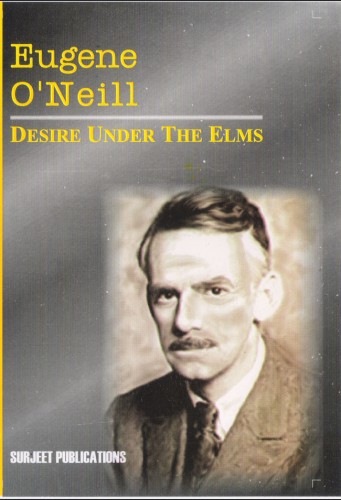
DESIRE UNDER THE ELMS

- Author: EUGENE O'NEILL
- Product Code: 978-81-229-0810-7
- Availability: In Stock
- Price: Rs 90
- Ex Tax: Rs 90
Quantity:
Desire Under the Elms is a tragedy of passion, and has generally been regarded as one of O’Nell’s finest works. It is a tragedy, according to the strict definition of that word, and has the cathartic effect that Aristotle associated with tragedy. Ephraim Cabot, the father, and the owner of the farm is a figure of tragic stature, causing his downfall by his own pride, yet expressing in him self the permanent values for which for he stands. Against him are set the young and passionate lovers, whose love is bound up with land -hunger which motivates Cabot, but is finally released from it. The lovers, too, rise to tragic dignity at the end, even though their passion is undoubtedly sinful and illicit. Nobody will justify the illicit passion of Abbie and Eben, and yet the end we cannot help feeling a profound sympathy for them. This play has been regarded as one of the first classics to be produced by the American theatre. The present critical study seek to analyse and examine the multilayered text in all aspects to make it more accessible to students in our Universities.
Write a review
Your Name:
Your Review:
Note: HTML is not translated!
Rating: Bad Good
Enter the code in the box below: