
Your shopping cart is empty!

Shopping Cart
0 item(s) - Rs 0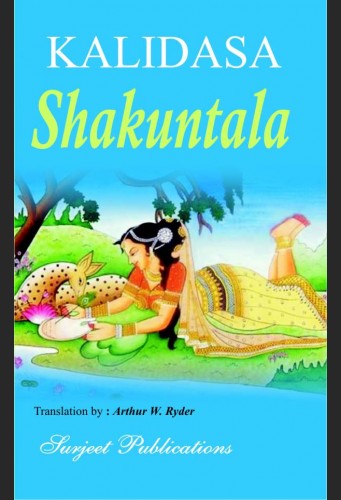
KALIDASA: SHAKUNTALA

- Product Code: 978-81-229-0358-4
- Availability: In Stock
- Price: Rs 160
- Ex Tax: Rs 160
Quantity:
Kalidasa Shakuntala Translation by Arthur W. Ryder University of California Kālidāsa is widely regarded as the greatest poet and dramatist in the Sanskrit language. His place in Sanskrit literature is akin to that of Shakespeare in English. His plays and poetry are primarily based on Hindu mythology and philosophy. Kālidāsa wrote three plays. Among them Shakuntala is generally regarded as a masterpiece. The term Shakuntala means one who is brought up by birds (Shakun). There are references stating that Shakuntala was found by Rishi Kanva in forest as a baby surrounded by or as some believe being fed by birds, after being left by her mother, Menaka. In Hindu mythology Sakuntala is the mother of Emperor Bharata and the wife of Dushyanta who was the founder of the Paurav Dynasty. Her story is told in the Mahabarata, Adi Parva and was dramatized by Kalidasa in his play Abhijnaana Saakuntalam (The Recognition of Sakuntala) tells the story of King Dushyanta who, while on a hunting trip, meets Shakuntalā, the adopted daughter of a sage, and marries her. A mishap befalls them when he is summoned back to court: Shakuntala, pregnant with their child, inadvertently offends a visiting sage and incurs a curse, by which Dushyanta will forget her completely until he sees the ring he has left with her. On her trip to Dushyanta's court in an advanced state of pregnancy, she loses the ring, and has to come away unrecognized. The ring is found by a fisherman who recognizes the royal seal and returns it to Dushyanta, who regains his memory of Shakuntala and sets out to find her. After more travels, they are finally reunited.
Write a review
Your Name:
Your Review:
Note: HTML is not translated!
Rating: Bad Good
Enter the code in the box below: