
Your shopping cart is empty!

Shopping Cart
0 item(s) - Rs 0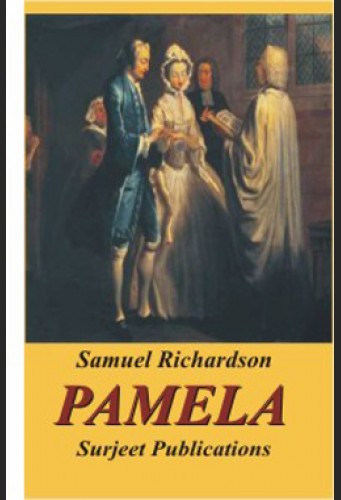
PAMELA or Virtue Rewarded with an introduction by William M. Sale

- Author: SAMUEL RICHARDSON
- Product Code: 81-229-0351-7
- Availability: In Stock
- Price: Rs 225
- Ex Tax: Rs 225
Quantity:
Samuel Richardson
PAMELA
Pamela describes ‘‘virtue’’ in an 18th-century way that is foreign to our times. Pamela Andrews is a young maidservant in a wealthy household. The son of the household, Mr B., conceives a passion for her and repeatedly schemes with his servants to have his way with her. She protects her virtue successfully and B., moved in her favour when he reads the journal she has been keeping in secret, is forced to propose to her if he is to have her.
The popularity of Pamela was mainly due to the effective technique of revealing the story through letters written by the protagonist. Because this was combined with the moralistic nature of the story, which made it acceptable for the century's rapidly growing middle class, the book became a publishing sensation. The epistolary form was an innovation that was a source of great pride for Richardson. Pamela thus helped reinvent a literary genre that had developed a very questionable reputation. Nevertheless, many contemporary readers were shocked by the more graphic scenes and by some questionable behaviours of the characters; it was easy to regard Pamela, for example, as a scheming young woman trying to gain higher social status by making a nobleman marry her.
Write a review
Your Name:
Your Review:
Note: HTML is not translated!
Rating: Bad Good
Enter the code in the box below: