
Your shopping cart is empty!

Shopping Cart
0 item(s) - Rs 0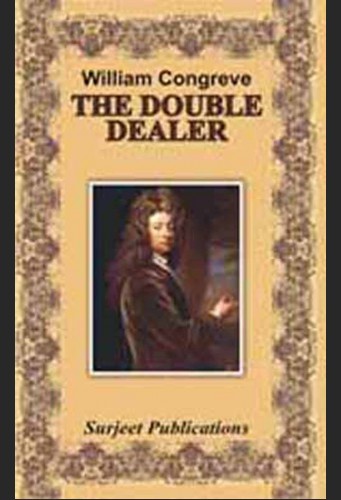
THE DOUBLE DEALER

- Author: WILLIAM CONGREVE
- Product Code: 81-229-0338-X
- Availability: In Stock
- Price: Rs 140
- Ex Tax: Rs 140
Quantity:
William Congreve
THE DOUBLE DEALER
Congreve’s second play (1694) has not a very much success, even though Lord and Lady Froth, Brisk, and Lord and Lady Plyant are brilliant comic creations. The theme is subordinated to plot, so that the complexities of the intrigue here perplex rather than illuminate. Worse, the comedy ranges black against white. Maskwell, the villain, deceives his victims by telling them his intentions, and is the active agent of the plot, while Mellefont remains almost wholly passive. Mellefont cannot fulfil his role as hero, which is to defeat the wiles of Lady Touchwood, a condition set by his mistress Cynthia, because the play must show “secret vice” defeating itself.
Congreve had determined to obey the neo-classical critical rules in the writing of this play. He was resolved to preserve the three Unities of the drama and to that end he designed the moral first, and invented the fable to suit that moral.
The didacticism and theatrical elevation of tone appear only too clearly with the passionate scenes between Mackwell and Lady Touchwood, and in exchanges like the one in Act II where the hero is tricked into seeming to be his aunt’s lover.
Write a review
Your Name:
Your Review:
Note: HTML is not translated!
Rating: Bad Good
Enter the code in the box below: