
Your shopping cart is empty!

Shopping Cart
0 item(s) - Rs 0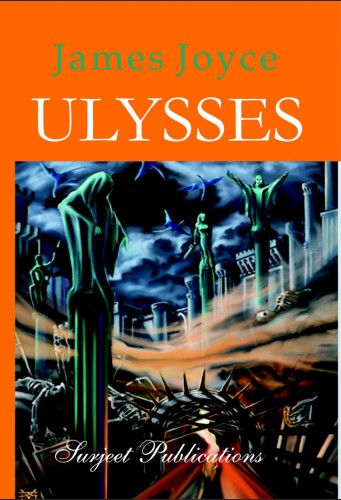
ULYSSES

- Author: JAMES JOYCE
- Product Code: 81-229-0256-1
- Availability: In Stock
- Price: Rs 295
- Ex Tax: Rs 295
Quantity:
James Joyce A masterwork of modernist literature, Ulysses records the events of a single day, June 16, 1904, in Dublin. Ireland. Joyce used the structure of Homer's epic The Odyssey as a contrast to the lives of the Dublin working class. Like the Biblical book of Ecclesiastic, Ulysses contains leitmotifs of vanity and the uselessness of pursuit. Ulysses follows two characters, Stephen Dedalus and Leopold Bloom through a day in Dublin, Ireland. The men participate in and observe human activities, many base and obscene, and respond with their own emotions, thoughts, and memories. Through these observations Joyce contrasts subjects such as religiosity vs. irreligiosity; realism vs. sentimentality; and pessimism vs. optimism. Each extreme has an extreme opposite. Ulysses was banned in the United States until 1933. James Joyce originally conceived of Ulysses as a short story. For more than 10 years the idea germinated, until Joyce began the novel in earnest in 1914. Seven years later, this masterpiece, perhaps the greatest literary achievement of the 20th century, was complete. James Joyce is perhaps the best-known Irish writer. His name is forever linked with Dublin. Seeking to escape the Irish literary revival, he relocated to the European continent in 1904. Dubliners, a book of short stories, sparked a heated debate with Joyce's Dublin publisher, George Roberts. In 1912 Roberts destroyed the entire first edition. prompting Joyce to leave Ireland forever. Joyce is well known for his autobiographical novel, A Portrait of the Artist as a Young Man, and for Ulysses, which forever changed the landscape of world literature. His final novel, Finnegan's Wake, took 17 years to complete.
Write a review
Your Name:
Your Review:
Note: HTML is not translated!
Rating: Bad Good
Enter the code in the box below: